
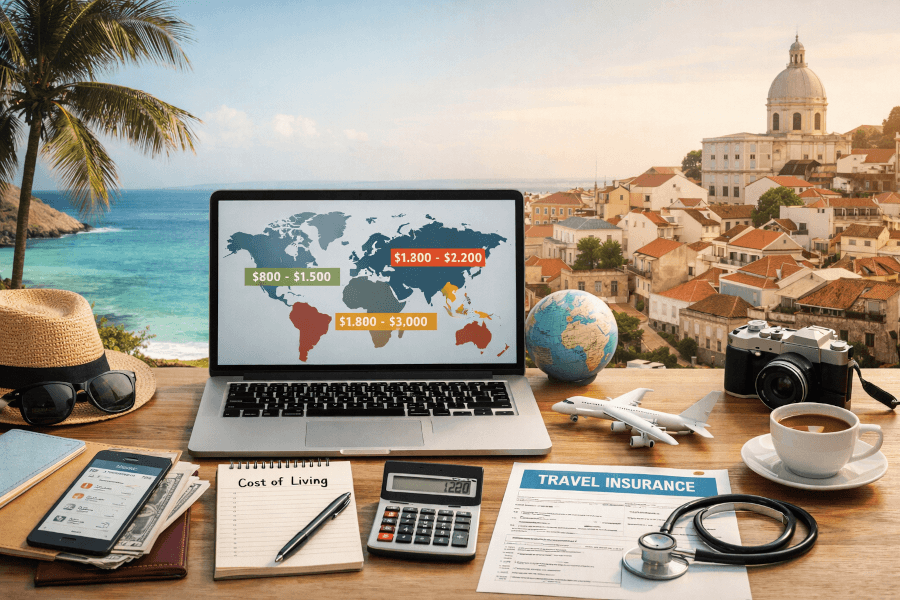
The digital nomad cost of living in 2026 typically ranges from $800 to $3,500 per month, depending on your destination, lifestyle, and work setup. Budget travelers living in Southeast Asia can spend under $1,200, while nomads in Europe or major cities may need $2,500 or more. Understanding these costs is essential if you want to travel sustainably and avoid financial stress.
As remote work becomes more accessible, more people are exploring the digital nomad lifestyle—but without a clear financial plan, it can quickly become overwhelming. This guide breaks down everything you need to know about the digital nomad cost of living, helping you make smarter, safer decisions.
For digital nomads and remote content creators, coworking spaces solve many common challenges. They provide stable work environments, productivity-friendly spaces, and opportunities to connect with other creators who understand blogging, SEO, and online.
What Is the Average Digital Nomad Cost of Living in 2026?
The digital nomad cost of living varies widely, but here’s a realistic overview:
| Lifestyle | Monthly Cost |
| Budget Nomad | $800 – $1,500 |
| Mid-range Nomad | $1,500 – $2,500 |
| Luxury Nomad | $2,500 – $3,500+ |
Key factors affecting cost:
🔑 Key Factors Affecting Digital Nomad Cost of Living
Understanding what drives your digital nomad cost of living helps you plan smarter, choose the right destinations, and avoid unexpected financial pressure.
📍 Location (Asia vs Europe vs Americas)
Your location is the single biggest factor shaping your digital nomad cost of living. Southeast Asia remains the most budget-friendly region, with cities like Chiang Mai offering extremely low rent, cheap food, and a strong nomad community.

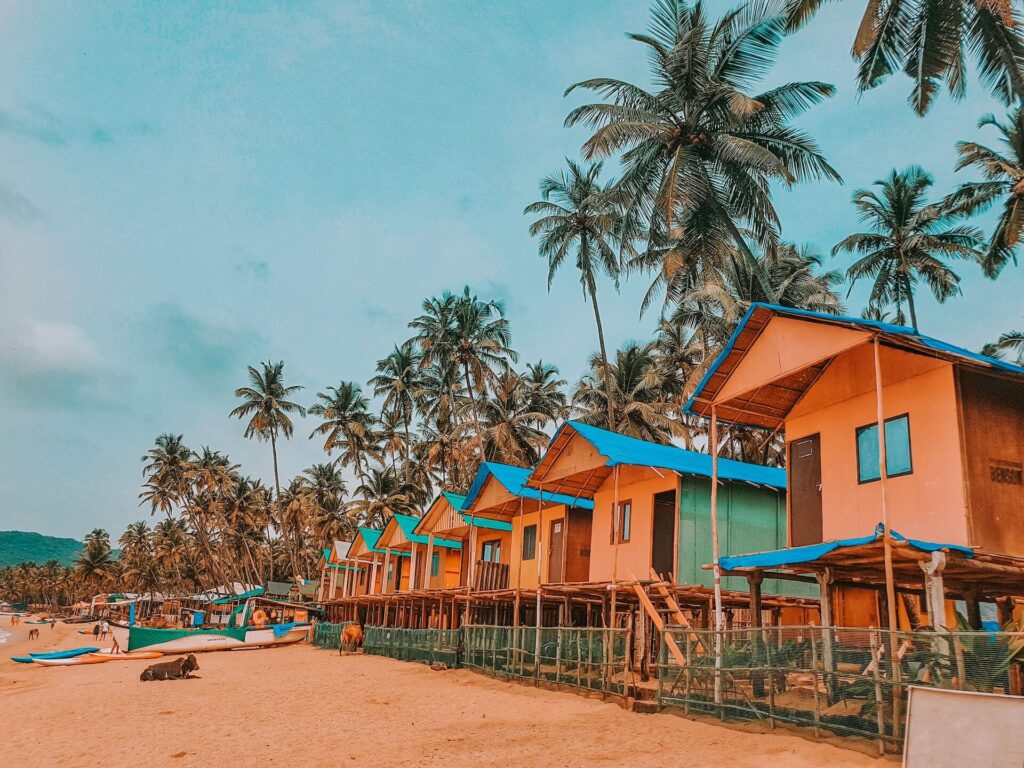
A great alternative is Goa, India, which combines beach lifestyle, affordable living, and growing remote work infrastructure. Digital nomads in Goa typically spend around $600–$1,200 per month, depending on lifestyle and accommodation choices . This makes it one of the most attractive low-cost destinations outside Southeast Asia.
In contrast, European hotspots like Lisbon or Barcelona offer higher quality infrastructure and lifestyle perks—but at a significantly higher monthly cost. Latin American cities such as Medellín sit in the middle, balancing affordability with modern amenities.

🏠 Accommodation Type (Airbnb vs Coliving)
Your choice of housing can account for 30–50% of your total digital nomad cost of living. Airbnb apartments provide privacy and comfort, especially for long stays where monthly discounts apply.
In destinations like Goa, renting a one-bedroom apartment can cost as little as $200–$400/month, making it far cheaper than Western countries . Coliving spaces are another option, often including utilities, internet, and community perks—ideal for networking and reducing setup hassle.
💻 Work Setup (Coworking vs Home Office)
Your work environment also impacts your budget. Coworking spaces typically cost $50–$200/month, depending on location and facilities. In Goa, coworking spaces are widely available and relatively affordable, often starting around $60–$120/month .
A home office setup can reduce costs, but you may need to invest in reliable internet or backup solutions—especially in developing regions.
According to Numbeo, cities like Chiang Mai and Medellín remain among the most affordable for remote workers, while many European hubs continue to rise in cost due to increasing demand and tourism.
🧾 Cost of Living Breakdown for Digital Nomads
Understanding each expense category helps you control your digital nomad cost of living more effectively and avoid overspending in areas that add up quickly over time.
🏠 Accommodation
Accommodation is usually your largest monthly expense, often taking up nearly half of your total digital nomad cost of living.
- Budget: $300–$800 (shared apartments, hostels, local rentals)
- Mid-range: $800–$1,500 (private Airbnb, serviced apartments)
- High-end: $1,500+ (luxury apartments, central locations)
Prices vary heavily depending on location. For example, places like Goa or Chiang Mai offer significantly cheaper rent compared to European cities.
💡 Tip: Monthly Airbnb discounts (often 20–40%) can dramatically reduce your overall housing costs, especially if you stay longer in one place.
🍜 Food & Groceries
Food costs depend on whether you eat out or cook at home. In many countries, eating local cuisine is both affordable and part of the experience.
- Local meals: $2–$10 in Asia, $10–$20 in Europe
- Groceries: $150–$400/month
In destinations like Bali or Medellín, eating out can actually be cheaper than cooking, which helps lower your digital nomad cost of living.
🚕 Transportation
Transportation costs are usually manageable, especially in cities with good public systems or cheap rentals.
- Public transport: $20–$100/month
- Scooter rentals (Asia): ~$60/month
In places like Bangkok, public transport is extremely efficient, while in locations like Goa, scooters are often the most practical and cost-effective way to get around.
💻 Coworking & Internet
A reliable work setup is essential for maintaining income while traveling.
- Coworking spaces: $50–$200/month
- SIM/data plans: $10–$50
Coworking spaces provide fast internet, networking opportunities, and a productive environment. However, if you prefer a home office, make sure your accommodation has stable Wi-Fi.
For a deeper setup guide, explore remote work essentials in 2025 to optimize your workflow and avoid productivity issues.
🏥 Insurance & Healthcare
Healthcare is often overlooked but critical for long-term sustainability.
- Travel insurance: $40–$150/month
Organizations like World Health Organization highlight the importance of having international coverage, especially when moving between countries with different healthcare systems.
🎯 Leisure & Lifestyle
This category includes everything that makes the digital nomad lifestyle enjoyable—but it can also quietly increase your digital nomad cost of living if not managed carefully.
- Activities, gyms, nightlife: $100–$500+
Costs vary depending on your lifestyle. Beach destinations like Goa or Phuket may encourage more spending on social activities, while quieter cities allow for a more budget-friendly routine.
By tracking and adjusting these categories, you can build a sustainable lifestyle while keeping your digital nomad cost of living aligned with your income.
🌏 Cost of Living by Popular Digital Nomad Destinations
Your destination plays a huge role in shaping your overall digital nomad cost of living. Instead of just looking at numbers, it’s helpful to understand what each region offers in terms of lifestyle, infrastructure, and long-term affordability.
🌴 Southeast Asia — Best for Low Budgets & High Value
If your goal is to keep your digital nomad cost of living low without sacrificing lifestyle, Southeast Asia is one of the best regions to consider.
- 💸 Typical monthly cost: $800–$1,500
- 🌍 Popular spots: Chiang Mai, Bali, Goa
- ⚡ Why it works: Cheap food, affordable rent, strong nomad communities
In places like Chiang Mai or Goa, you can enjoy a comfortable lifestyle while spending significantly less than in Western countries. This makes the region ideal for beginners or anyone trying to extend their travel timeline.
👉 Want more ideas? Explore best destinations for digital nomads
🇪🇺 Europe — Lifestyle & Stability (Higher Cost)
Europe offers a premium experience—great infrastructure, safety, and culture—but it comes at a higher price.
- 💸 Typical monthly cost: $1,800–$3,000
- 🌍 Popular cities: Lisbon, Barcelona, Athens
- ⚠️ Key trade-off: Higher rent and daily expenses
While your digital nomad cost of living will be higher here, many nomads choose Europe for its reliability, visa options, and overall quality of life.
🌎 Latin America — Balanced Cost & Lifestyle
Latin America sits right in the middle, offering a balance between affordability and modern infrastructure.
- 💸 Typical monthly cost: $1,200–$2,200
- 🌍 Popular hubs: Mexico City, Medellín
- ⚖️ Why choose it: Lower costs than Europe, better infrastructure than many budget regions
This region is perfect if you want a manageable digital nomad cost of living without going ultra-budget.
⚠️ Hidden Costs That Increase Your Digital Nomad Cost of Living
Even if your monthly budget looks solid, these often-overlooked expenses can quickly add up:
✔️ Visa fees and renewals
✔️ Last-minute flight changes
✔️ Currency exchange and bank fees
✔️ Emergency healthcare
According to International Air Transport Association, unexpected travel disruptions are common—so having a financial buffer of at least 2–3 months is essential.
💡 Smart Ways to Reduce Your Digital Nomad Cost of Living
Lowering your expenses doesn’t mean sacrificing your experience—it means being strategic.
Instead of constantly moving, slow down. Staying longer in one place often unlocks cheaper rent, fewer transport costs, and better local deals. Choosing destinations with strong exchange rates can also stretch your budget significantly.
Another overlooked trick is living like a local—using local markets, transport, and services instead of tourist-focused options.
👉 For a deeper system, explore managing finances while traveling to build a sustainable approach.
📊 Financial Planning: Making the Lifestyle Sustainable
Your digital nomad cost of living only works if your income supports it consistently.
Most successful digital nomads rely on a mix of income streams, such as freelancing, blogging, or affiliate marketing. The goal isn’t just to earn—but to create stability while moving between countries.
If you’re building income online, learning from how to make money blogging can help you turn your skills into a reliable revenue source.
By choosing the right region, planning for hidden costs, and building strong financial habits, you can keep your digital nomad cost of living under control while still enjoying the freedom that comes with the lifestyle.
❓ FAQs About Digital Nomad Cost of Living
What is a realistic budget for a digital nomad?
A realistic digital nomad cost of living is around $1,500–$2,500/month for a comfortable lifestyle.
What is the cheapest country for digital nomads?
Countries like Thailand, Vietnam, and Indonesia offer the lowest cost of living with strong infrastructure.
Can you live as a digital nomad on $1,000 a month?
Yes, but only in budget-friendly regions and with a minimalist lifestyle.
How do digital nomads manage finances?
They use budgeting apps, diversify income, and follow structured plans like those in digital nomad finance guides.
🔗 References
🧠 Final Thoughts
The digital nomad cost of living in 2026 is flexible—but not unpredictable. With proper planning, realistic expectations, and smart destination choices, you can build a lifestyle that balances freedom with financial stability.
Understanding your numbers is the difference between surviving and thriving as a digital nomad.