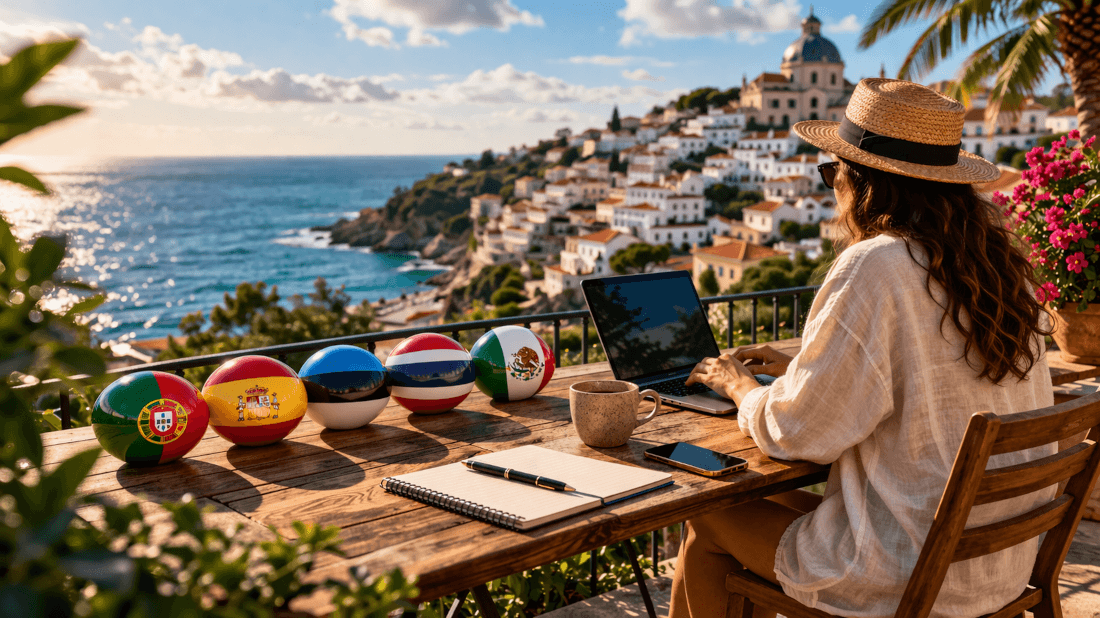
If you’re searching for digital nomad visa countries, the best options in 2026 include Portugal, Spain, Estonia, Thailand, and Mexico. These countries offer flexible visa programs that allow remote workers to legally live and work abroad while enjoying lower costs of living and strong digital infrastructure.
The rise of remote work has made digital nomad visas one of the most powerful tools for location-independent professionals. Whether you’re a blogger, freelancer, or entrepreneur, choosing the right country can completely transform your lifestyle and income potential.
💡 What Is a Digital Nomad Visa?
A digital nomad visa is a special type of residence permit designed for people who earn their income remotely. It allows you to legally live in a foreign country while continuing to work for clients, employers, or businesses based outside that country. This is especially useful for freelancers, bloggers, remote employees, and online entrepreneurs who want to experience living abroad without violating immigration laws.
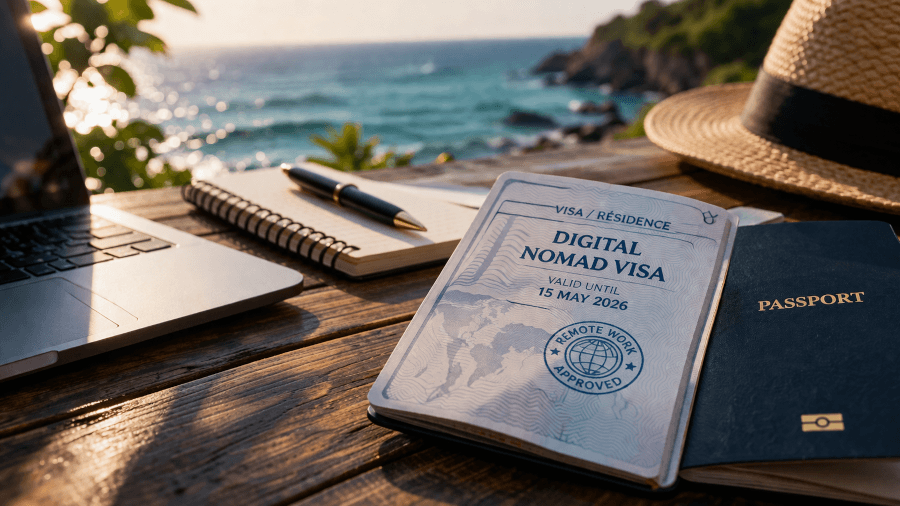
Unlike tourist visas, these programs:
- Longer stays: Most digital nomad visas allow you to stay anywhere from 6 months to over 2 years, with some offering renewal options
- Legal work status: You can legally continue your remote work without worrying about visa violations
- Tax advantages: Some countries offer reduced tax rates or exemptions, although this depends on residency rules and agreements
In addition, many countries require proof of stable income, health insurance, and a clean background check. These requirements help ensure that applicants can support themselves while living abroad.
One of the earliest and most well-known programs was introduced by Estonia, supported by the Estonian Police and Border Guard Board. Estonia’s initiative helped set the standard for what modern digital nomad visas look like today, especially with its strong digital infrastructure and e-residency ecosystem.
👉 You can explore the official requirements and application details here:
https://www.politsei.ee/en
🌍 Top Digital Nomad Visa Countries in 2026
PT Portugal
Portugal remains one of the most popular digital nomad visa countries thanks to its balance of affordability, lifestyle, and accessibility for remote workers. From the lively atmosphere of Lisbon to the relaxed coastal regions like the Algarve, it offers a comfortable environment for both work and everyday living.
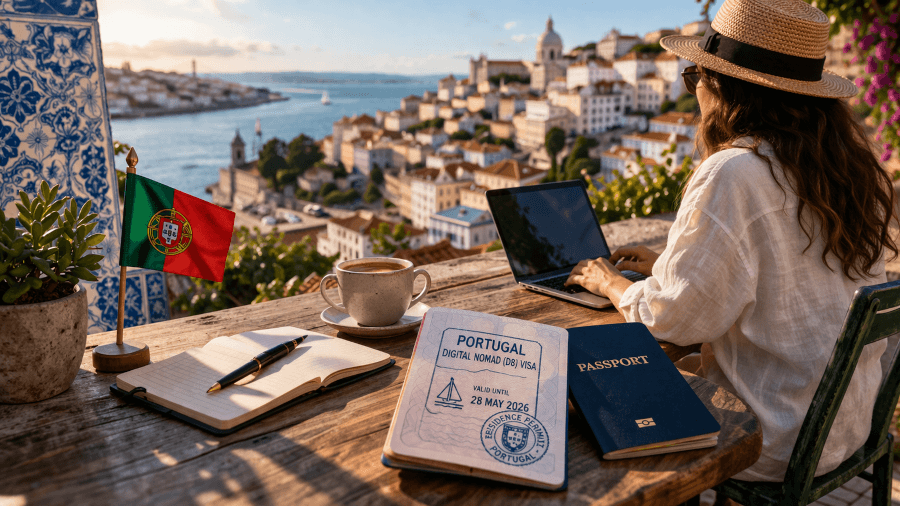
Compared to many Western European countries, Portugal is still relatively affordable, especially outside major cities. It also has reliable internet, plenty of coworking spaces, and a strong expat community, making it easier for digital nomads to settle in.
- Income requirement: Around $3,000/month
- Duration: Up to 2 years, with possible renewals
- Highlights: Beaches, mild climate, strong expat network, access to travel across Europe
Portugal’s digital nomad visa, often called the D8 visa, is a solid choice if you want a stable and flexible base in Europe.
👉 Official info: https://vistos.mne.gov.pt
🇪🇸 Spain
Spain’s digital nomad visa program has quickly become a strong option for freelancers and entrepreneurs looking to live and work in Europe. It offers a good balance between lifestyle, accessibility, and potential tax advantages for remote workers.
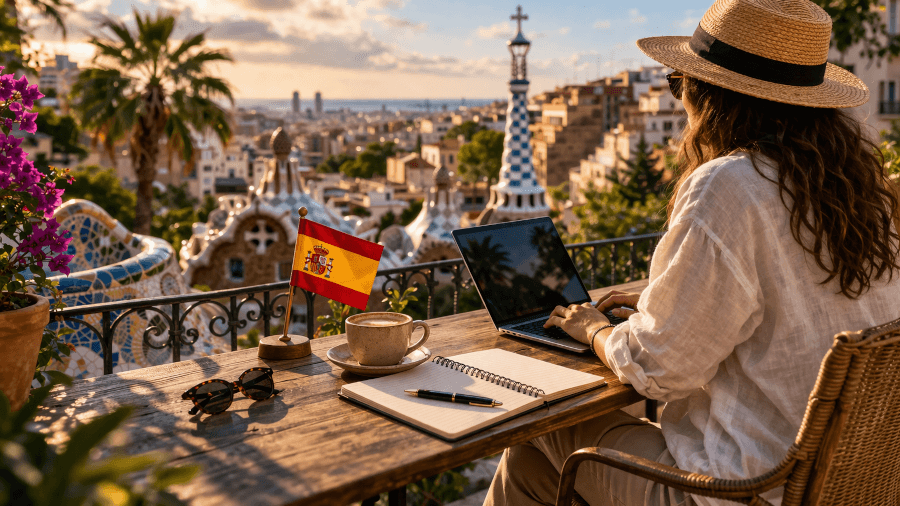
Spain stands out for its rich culture, excellent food, and diverse cities like Barcelona, Madrid, and Valencia, all of which have growing digital nomad communities and solid infrastructure for remote work.
- Income requirement: Around $2,500/month
- Tax benefits: Reduced tax rates may apply for qualifying applicants
- Highlights: Vibrant culture, great weather, strong work-life balance
Overall, Spain is a great choice if you want a mix of professional opportunity and an enjoyable day-to-day lifestyle.
🇪🇪 Estonia
Estonia is a tech-forward country that’s especially attractive for online entrepreneurs and remote professionals who value efficiency and digital innovation. It was one of the first countries to introduce a digital nomad visa, making it a pioneer in this space.
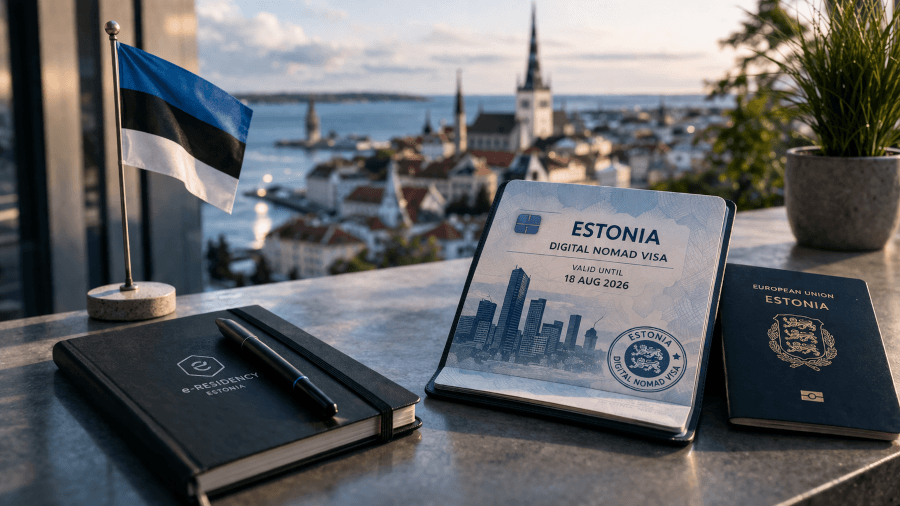
What makes Estonia stand out is its advanced digital infrastructure. Almost everything can be done online, from business registration to banking. The country’s e-residency program also allows entrepreneurs to run a location-independent business within the EU.
- Income requirement: Around $4,000/month
- Highlights: Strong digital infrastructure, easy online processes, startup-friendly environment
- Bonus: Access to Estonia’s e-residency ecosystem for managing your business remotely
Overall, Estonia is an excellent choice if your main focus is building or scaling an online business in a highly digital environment. Its efficient systems, startup-friendly ecosystem, and fully online services make it especially appealing for entrepreneurs who want to manage operations seamlessly from anywhere in the world.
🇹🇭 Thailand
Thailand is a top choice among digital nomad visa countries thanks to its affordability and well-established remote work community. It has long been a favorite for freelancers and online entrepreneurs who want to keep living costs low while enjoying a comfortable lifestyle.
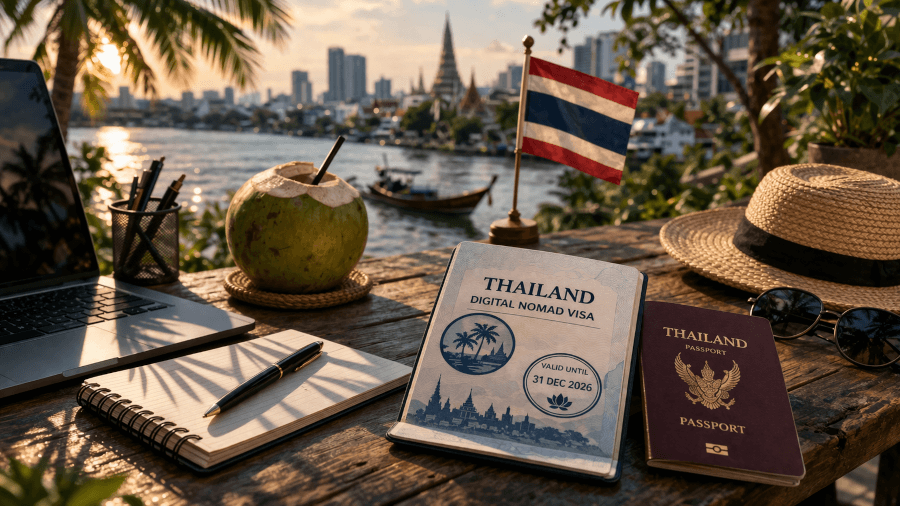
The country offers a wide range of environments, from the relaxed pace of Chiang Mai to the fast-moving energy of Bangkok, both known for their strong coworking scenes and reliable infrastructure.
- Lower cost of living: Ideal for stretching your budget without sacrificing quality of life
- Popular hubs: Chiang Mai for a calm, focused lifestyle and Bangkok for networking and opportunities
- Flexible stay options: Various visa pathways and extensions for longer-term stays
Overall, Thailand is a great option if you’re looking for an affordable base with a supportive digital nomad community and plenty of lifestyle variety.
🇲🇽 Mexico
Mexico is one of the easiest digital nomad visa countries, especially for Americans, thanks to its simple application process and convenient location. Its proximity to the United States makes travel back and forth easy, which is a big advantage for remote workers managing clients or commitments at home.
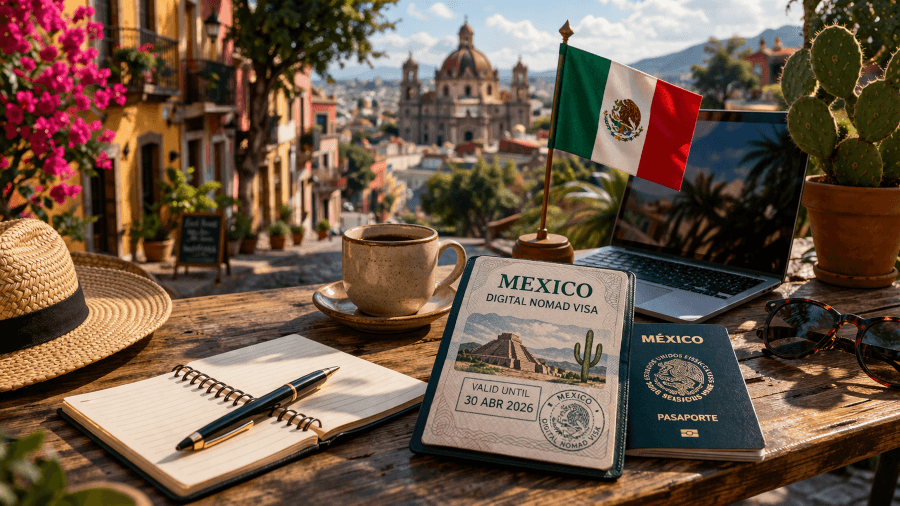
Mexico also offers a rich cultural experience, from vibrant cities like Mexico City to beach destinations like Playa del Carmen, all supported by growing digital nomad communities and reliable infrastructure.
- Income requirement: Around $2,600/month
- Location advantage: Close to the US for easy travel
- Highlights: Amazing food, diverse culture, and a range of lifestyle options
Overall, Mexico is a great choice if you want an accessible, culturally rich destination with flexibility and convenience for remote work.
📊 Quick Comparison of Digital Nomad Visa Countries
| Country | Income Requirement | Duration | Cost of Living | Best For |
| Portugal | ~$3,000 | 1–2 years | Medium | Lifestyle + EU access |
| Spain | ~$2,500 | 1 year+ | Medium | Culture + tax perks |
| Estonia | ~$4,000 | 1 year | Medium-high | Tech entrepreneurs |
| Thailand | Varies | Flexible | Low | Budget nomads |
| Mexico | ~$2,600 | 1–4 years | Low-medium | US-based workers |
⚖️ Legal & Financial Considerations
Before choosing among digital nomad visa countries, it’s important to understand how taxes work, because this can directly affect how much of your income you actually keep while living abroad.
Taxes
Some digital nomad visa countries offer attractive tax incentives, such as reduced tax rates or temporary exemptions, especially if your income is earned from outside the country. Others, however, may require you to pay local income tax once you stay beyond a certain number of days, often around 183 days, which is a common threshold for tax residency.
Your tax situation usually depends on a few key factors:
- Tax residency rules: Many countries consider you a tax resident if you stay long enough, even on a digital nomad visa
- Double taxation agreements (DTAs): These agreements between countries can prevent you from being taxed twice on the same income
- Source of income: If your income comes from foreign clients or companies, some countries treat it differently than local income
- Home country obligations: Some countries, like the United States, tax citizens regardless of where they live
Because these rules can be complex and vary widely, it’s important to verify your situation using trusted sources like:
https://www.oecd.org/tax/
You may also want to consult a tax professional who understands international income, especially if you plan to stay long-term or manage multiple income streams.
👉 For a deeper, practical guide tailored to digital nomads, read:
https://voyager.ink/blog/legal-aspect-of-starting-a-digital-nomad-business/
Taking the time to understand taxes before choosing a destination can help you avoid unexpected liabilities and make smarter financial decisions while working remotely abroad.
Managing Finances Abroad
Managing your money effectively is one of the most important parts of living in digital nomad visa countries. Even if you earn well, poor financial planning can quickly create stress when dealing with different currencies, banking systems, and living costs.
When living abroad, you’ll need to think beyond just earning income:
- Banking: It’s often helpful to use international-friendly banks or digital accounts that support multiple currencies and low transfer fees
- Currency exchange: Exchange rates fluctuate, so using services with better rates can save you a significant amount over time
- Budgeting: The cost of living varies by country, so tracking your expenses helps you stay financially stable
You may also face challenges like transaction fees, ATM withdrawal limits, or delays in international transfers. That’s why many digital nomads rely on specialized financial tools to manage money across borders more efficiently.
Here are some of the most useful tools and how they help:
- Wise
Wise is one of the most popular tools for digital nomads. It offers real exchange rates, low transfer fees, and multi-currency accounts, allowing you to hold and convert money easily while avoiding hidden charges. - Payoneer
Payoneer is widely used by freelancers and online business owners. It allows you to receive payments from international clients, marketplaces, and companies, making it ideal for managing global income streams. - Revolut
Revolut provides a modern banking experience with features like currency exchange, budgeting tools, and virtual cards. It’s especially useful for everyday spending and managing multiple currencies on the go. - N26
N26 is a digital bank popular in Europe that offers simple banking, low fees, and real-time expense tracking. It’s a good option if you plan to stay in EU-based digital nomad visa countries. - PayPal
PayPal remains a widely accepted platform for sending and receiving payments globally. While fees can be higher, it’s still useful due to its convenience and broad acceptance.
Using a combination of these tools can help you reduce fees, access your money faster, and stay in control of your finances while living and working abroad.
Another key factor is planning for unexpected costs such as healthcare, visa renewals, or travel changes. Having an emergency fund and a clear monthly budget can make a huge difference in maintaining financial stability while abroad.
👉 For a deeper, practical guide on managing your money while traveling, check out:
https://voyager.ink/blog/digital-nomad-finance/
Understanding how to manage your finances properly ensures that your digital nomad lifestyle stays sustainable, not stressful.
Insurance & Compliance
Health insurance is mandatory in most digital nomad visa countries, and it’s a key requirement during the application process. Governments want to ensure that you can cover medical expenses without relying on local healthcare systems.
Many digital nomads choose flexible, travel-friendly insurance providers that are designed specifically for remote workers and long-term travelers.
- SafetyWing
One of the most popular options among digital nomads. It offers affordable monthly plans, global coverage, and the flexibility to start or stop coverage as you travel. - World Nomads
Known for more comprehensive coverage, including adventure activities. It’s a good option if your travels include higher-risk experiences. - Allianz Global Assistance
A well-established provider offering a wide range of international health and travel insurance plans with strong global support.
Having the right insurance not only helps you meet visa requirements but also protects you from unexpected medical costs while living abroad.
🧭 How to Choose the Right Digital Nomad Visa Country
Choosing the right destination among digital nomad visa countries depends on your personal goals, income level, and lifestyle preferences. There’s no one-size-fits-all option, so it’s important to match your destination with what matters most to you.
- Budget: Countries like Thailand and Mexico are ideal if you want to keep your living costs low while still enjoying a comfortable lifestyle. They allow you to stretch your income further, especially in the early stages of your journey.
- Lifestyle: Portugal and Spain offer a well-rounded experience with good infrastructure, safety, culture, and work-life balance. These are great choices if you want both productivity and quality of life.
- Business Growth: Estonia is perfect if your focus is building or scaling an online business. Its digital systems and entrepreneur-friendly environment make managing a business much easier.
Ultimately, the best choice depends on whether you’re optimizing for savings, experience, or long-term growth.
👉 If you’re building an online income, this guide helps:
https://voyager.ink/blog/building-an-online-business/
📝 How to Apply for a Digital Nomad Visa
The application process is fairly similar across most digital nomad visa countries, although specific requirements may vary slightly depending on the destination.
In general, you’ll need to prepare a few key documents to prove that you can legally live and support yourself while working remotely:
- Proof of remote income: This could include contracts, client invoices, or bank statements showing consistent earnings
- Valid passport: Usually with at least 6 months of validity remaining
- Health insurance: Mandatory in most countries to cover any medical expenses during your stay
- Application forms: Completed visa forms, often submitted online or through a consulate
- Background checks: Some countries require a clean criminal record certificate
In some cases, you may also need to provide proof of accommodation, a motivation letter, or additional financial documents.
Processing times typically range from 2 to 8 weeks, depending on the country and how complete your application is. Planning ahead and organizing your documents early can help avoid delays and increase your chances of approval.
🧰 Tools & Resources for Digital Nomads (Affiliate-Friendly)
To succeed in any of these digital nomad visa countries, having the right tools in place can make your work smoother, more secure, and more efficient while living abroad.
- Website hosting (for bloggers)
If you’re running a blog or online business, reliable hosting is essential for performance and uptime. Platforms like Bluehost or SiteGround are popular for beginners and growing bloggers. - VPN for secure browsing
A VPN helps protect your data when using public Wi-Fi in cafes or coworking spaces. Services like NordVPN or ExpressVPN are widely used for privacy and security. - Financial apps
Tools like Wise and Payoneer help you manage international payments, reduce fees, and handle multiple currencies with ease. - Productivity tools
Staying organized is key when working remotely. Apps like Notion and Trello help manage tasks, content planning, and workflows efficiently.
Using the right combination of these tools can help you stay productive, secure, and financially organized while building your remote career abroad.
📈 Growing Your Income While Traveling
Living in digital nomad visa countries becomes sustainable when you have income streams.
👉 Start here:
- https://voyager.ink/blog/how-to-start-a-blog-in-2025/
- https://voyager.ink/blog/how-to-make-money-blogging/
- https://voyager.ink/blog/affiliate-marketing-basics-a-beginner-friendly-guide-for-voyagers/
❓ FAQs About Digital Nomad Visa Countries
What are the easiest digital nomad visa countries to get?
Mexico and Portugal are among the easiest digital nomad visa countries due to simpler requirements, lower income thresholds, and relatively smooth application processes. They’re great starting points for first-time digital nomads.
Do digital nomads pay taxes?
Yes, taxes depend on your residency status and the country you choose. Some countries offer tax benefits, while others require payments after a certain stay period. Checking local rules is important to avoid surprises.
How much income do I need?
Most digital nomad visa countries require a stable income of around $2,000–$4,000 per month. The exact amount varies by country and visa type.
Can bloggers apply for digital nomad visas?
Yes. Bloggers, freelancers, and remote workers are all eligible as long as they can show consistent online income.
🔚 Conclusion
The best digital nomad visa countries in 2026 offer more than just travel opportunities—they provide a legal, flexible, and sustainable way to live and work globally.
Whether you choose Portugal for lifestyle, Estonia for business, or Thailand for affordability, the key is aligning your choice with your goals.
If you’re serious about becoming a digital nomad, start by building your income streams, understanding legal requirements, and choosing the country that fits your lifestyle best.

3 comments
You’ve sparked my interest in this topic.
Thank you for offering such practical guidance.
This topic really needed to be talked about. Thank you.